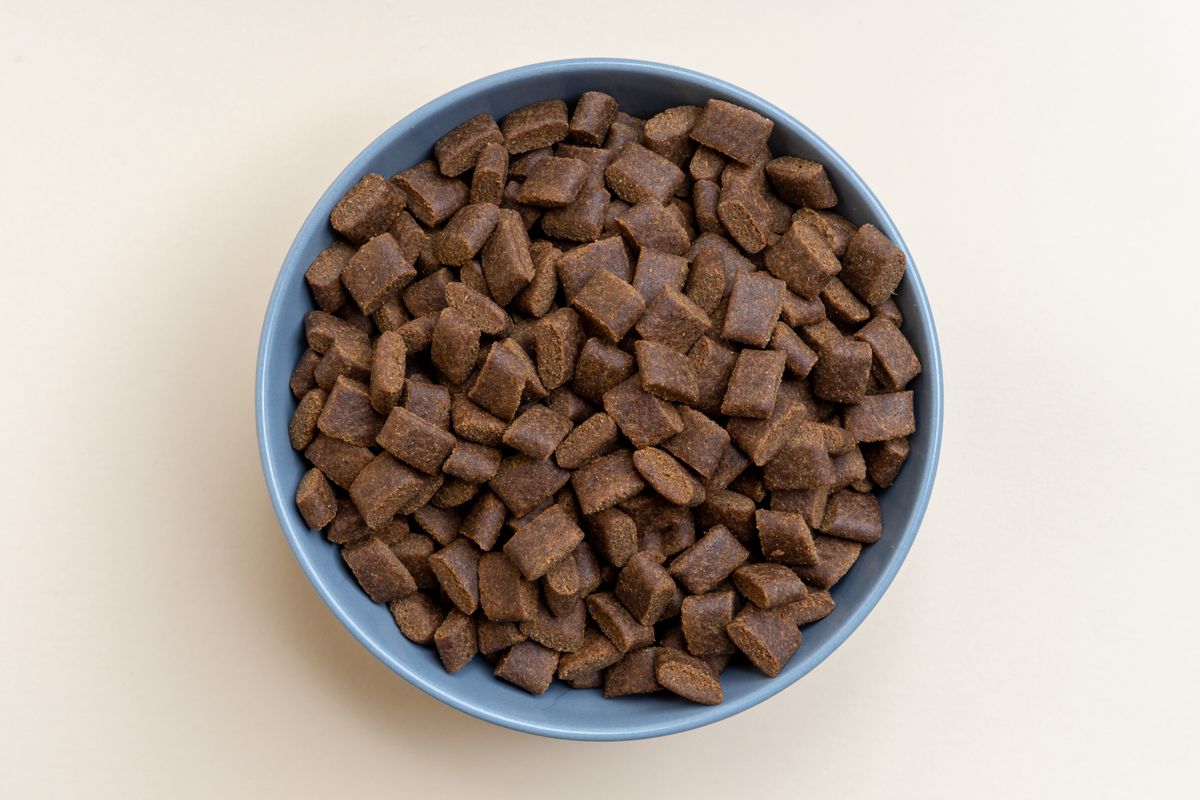
A bowl can look excellent on a shop shelf and still be awkward in your kitchen. A loose ring, inaccessible corner or slippery base changes the daily experience. Start with the space and cleaning routine you already have, then compare the object rather than its marketing photograph.
Choose an accessible, stable bowl that fits a cleaning routine you can maintain.
Inspect every surface
England's official dog-day-care guidance specifies cleanable, non-porous feeding equipment in good condition. Those are useful design considerations, but the professional rules are not household law for readers in the US, Canada, Australia or elsewhere in the UK. Look inside, underneath and around the rim. Each joint, decorative ridge and removable piece adds an area you will need to inspect and maintain.
Read the exact care instructions
Do not infer dishwasher suitability from the material alone. A metal bowl may have an attached base, while a ceramic one may have decoration with separate care requirements. Find the instructions for the actual model and check whether every removable part follows the same rules. Our suggestion is to save a photograph of the care panel before recycling the packaging, especially when a household shares cleaning duties.
Measure the whole setup
Measure the floor space and the washing space. Compare outside dimensions, not just advertised capacity. Can you lift the bowl comfortably, reach underneath it and fit it into your sink? A broad base may take more room; an anti-slip ring may need removing. These are trade-offs to record, rather than reasons to declare one material universally best. For imported accessories, confirm whether dimensions use inches or centimetres.
Observe access to water
Dogs Trust recommends fresh water, clean bowls and attention to size, stability and placement. Watch whether your dog approaches the bowl comfortably. If drinking habits concern you, contact your veterinarian rather than repeatedly buying accessories. This guide does not prescribe a universal raised-bowl height or suggest that a bowl can treat a health problem. Special physical needs call for advice suited to the individual dog.
Make cleaning practical
Our proposed routine gives clean and used bowls separate places. A spare bowl may make rotation easier, provided it does not simply create a pile of unwashed equipment. Check removable components and the underside as well as the visible interior. Follow the manufacturer's cleaning instructions and replace damaged equipment appropriately. A mat can help organise the area, but it adds another surface to maintain rather than eliminating the work.
Write a useful after-purchase note
After several uses, record observable details: whether it moves, whether it is easy to grip, whether food collects in corners and whether parts reassemble easily. These notes describe your experience with the object. They do not prove digestive benefits or disease prevention. With a slow-feeding design, examine access to every channel before purchase, and avoid treating an elaborate pattern as evidence of a health outcome.
| Feature | Before buying | During use |
|---|---|---|
| Cleaning | Check instructions for every part | Inspect corners and underside |
| Stability | Check base construction | Observe movement |
| Size | Measure outside dimensions | Check access and washing space |
| Maintenance | Ask about replacement parts | Watch for damage |
Your practical checklist
Tick items as you read. Your answers are not sent or saved.
Frequently asked questions
Is the most expensive bowl more hygienic?
Price alone does not establish cleanability. Inspect the design and instructions.
Should I buy a special bowl if my dog drinks less?
A worrying change in drinking needs veterinary advice, not just an accessory change.
Sources & scope
Original shopping checklist; no bowl has been tested. English professional guidance is identified as such, not presented as international household regulation.
Editorial source check: 2026-11-13. No paid links in this edition.
Keep exploring
Store an open bag of dry dog food without losing its details
A simple storage and batch-record system that keeps product instructions attached to the food you are using.
Make a useful food and routine sheet for your dog sitter
A practical handover covering existing instructions, supplies, deliveries and the contacts your sitter needs.
A dog food trial-box checklist that records what actually happened
Build a useful record of the order, delivery and account without turning a short trial into a health claim.